Visiting Tarifa in winter is not a second-best alternative to summer. It is an entirely different experience. Between November and March, the southernmost town in mainland Europe shifts its pace, empties of crowds and reveals its most authentic side.
In this guide you will find everything you need to know before planning your trip: what the weather is really like, which activities work best in the low season, what to eat and how to get the most out of a destination that many underestimate outside the warm months. Let us get started.
Why Tarifa is a winter destination unlike the rest of Andalusia
Tarifa is the southernmost city in mainland Europe, the exact point where the Atlantic meets the Mediterranean and where Africa lies just fourteen kilometres across the water. That unique position makes winter here quite unlike anything else in Andalusia: windier, brighter and far less crowded than other towns in the south.
While activity in other Andalusian spots drops to a minimum during the cold months, something different happens here. The town stays alive. The cafes in the old quarter remain open, kitesurfers keep slicing through the Strait in gusts of Levante, and the sky becomes a quiet spectacle of migrating birds.
If you are looking for a getaway that feels like no other, Tarifa in winter delivers a genuine experience, free from the summer crowds. It is the time of year when the town belongs to the people who live here, and visitors get to discover it without any filter.
The weather in Tarifa in winter: what to really expect
Winter in Tarifa is generally mild and bright. Daytime highs hover around 16-18 °C during the coldest months, and lows rarely dip below 8-10 °C, even in January. Snowfall is simply unheard of.
What truly defines the cold months here is the wind. The Levante and Poniente take turns dominating the weather throughout the season, and it helps to know the difference before you travel:
- The Levante is a strong, dry and warm wind from the east. Gusts can exceed 50 km/h. It draws kitesurfers and experienced surfers but leaves the south-facing beaches exposed.
- The Poniente is a cooler, wetter wind from the west. It brings clouds, occasional rain and clean sea conditions in the Strait area, ideal for walking or sailing.
When it comes to rainfall, November and December are the wettest months, although rain can extend into February and even March depending on the year. Even so, the overall average is low compared to northern Spain, and between rainy spells you will enjoy clear, bright days when Africa appears on the horizon with striking clarity.
In short, if you are after sunshine without the summer heat, Tarifa in winter more than delivers. Just make sure you pack a good windbreaker.
Things to do in Tarifa in winter
The cold season is not a dead period but a different version of the destination. These are the activities that work best between November and March.
Hiking through the Strait Natural Park
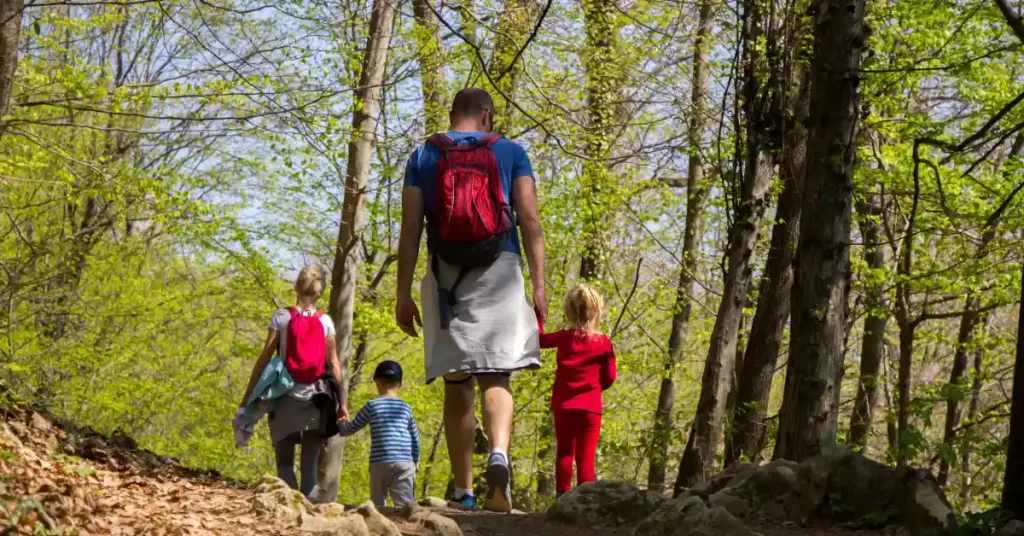
Winter is arguably the best time of year to explore the Strait Natural Park on foot. Temperatures are comfortable for walking, the vegetation is still green after the rains and the trails are virtually empty.
From short paths suitable for any fitness level to more demanding coastal traverses, the range of options is broad. In our article on trekking in Tarifa: 10 routes not to be missed you will find specific suggestions with difficulty, distance and practical details.
Winter birdwatching
Although the great migration passages of storks and raptors concentrate in spring and autumn, winter has its own ornithological appeal. Wintering species arrive from northern Europe, seabirds cross the Strait and the La Janda lagoon becomes a refuge for waders and waterfowl.
If you would like to explore this side of Tarifa in depth, take a look at our full guide to birdwatching in Tarifa (currently available in Spanish).
Kitesurf y windsurf en temporada baja
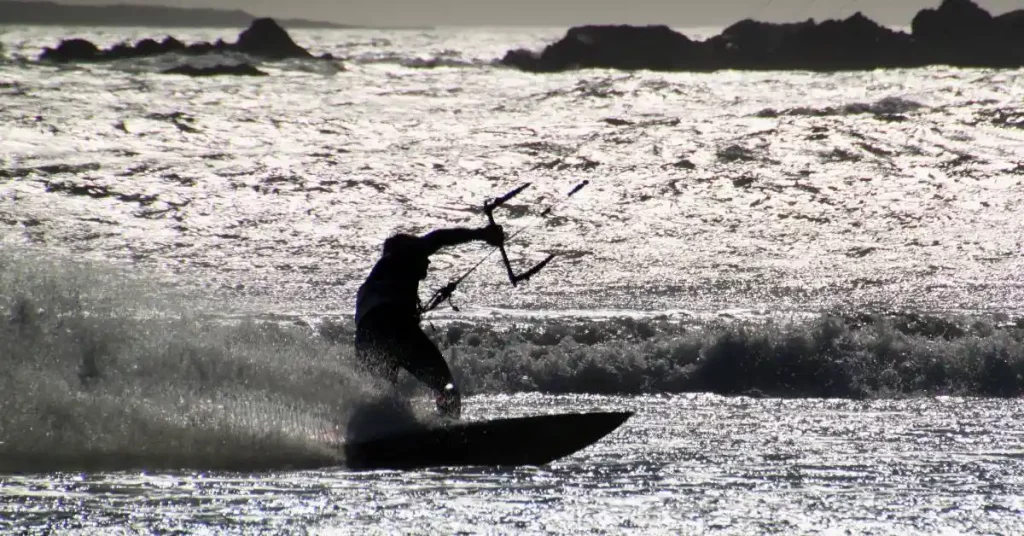
Para muchos viajeros, el kitesurf es la razón principal del desplazamiento, y el invierno tiene sus ventajas: los vientos de Levante son potentes y constantes, las playas están casi vacías y las escuelas ofrecen tarifas más accesibles que en verano.
The water is cold, though. You will need a thick wetsuit, but the feeling of riding across the Strait in near solitude is worth every degree. Find out more in our guide to kitesurfing in Tarifa.
Whale and dolphin watching
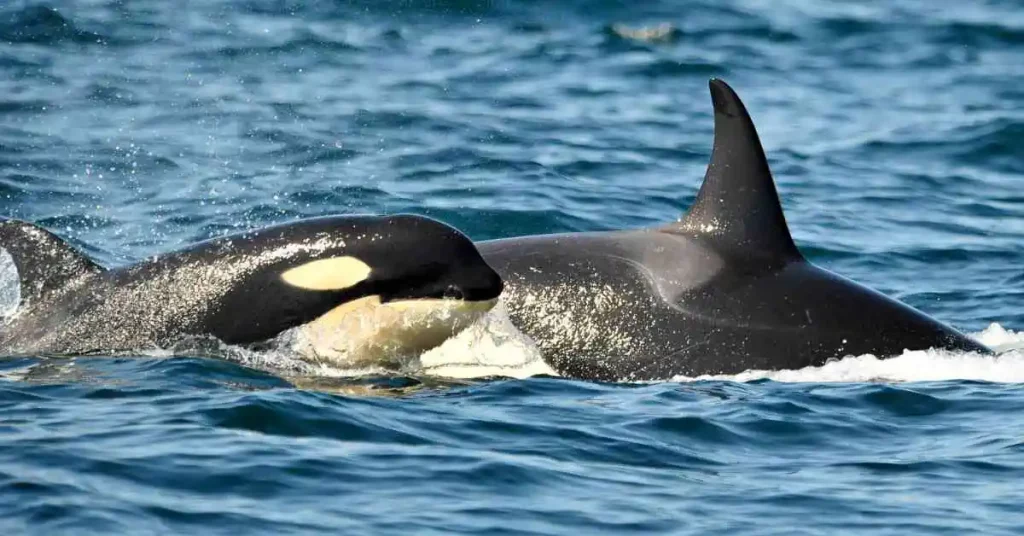
The cold months offer the chance to spot common dolphins, striped dolphins and pilot whales, resident species that inhabit the Strait year-round. It is a different experience from summer, when orcas take centre stage.
If you are visiting during the warmer months and are interested in orca sightings, have a look at our article When to see orcas in Tarifa. For winter, check with local whale-watching operators, as some maintain regular departures when sea conditions allow.
Strolling through the walled old town
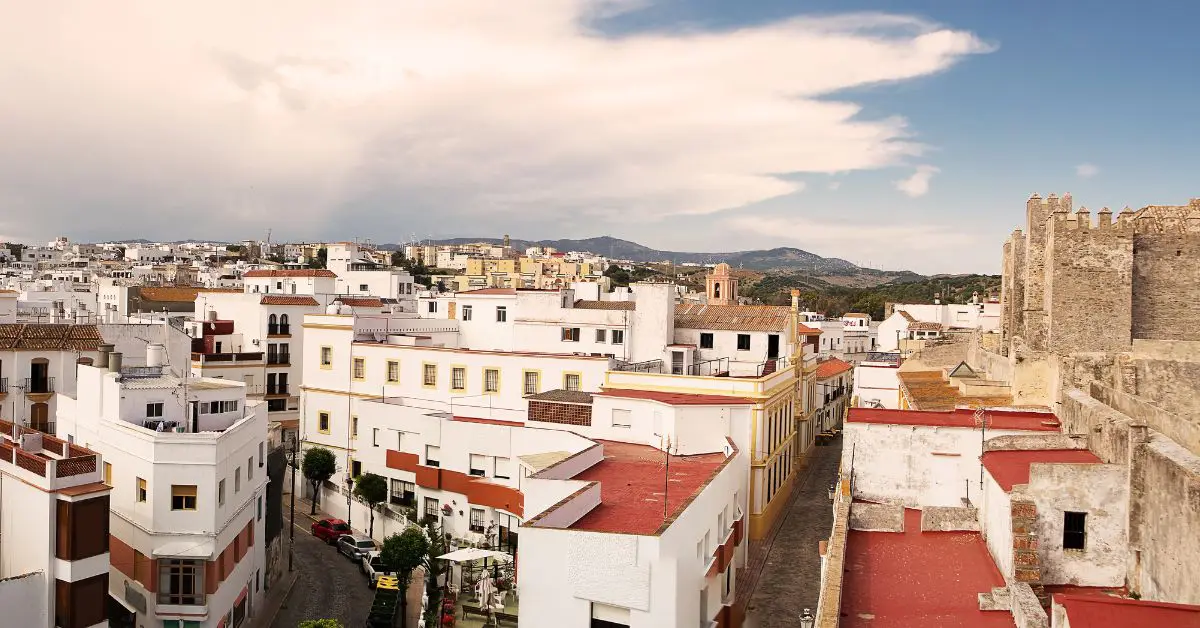
The old quarter, sheltered behind its medieval walls, takes on a special charm in winter. Its whitewashed lanes, almost empty of tourists, invite you to wander unhurried between the Puerta de Jerez, the church of San Mateo and the castle of Guzman el Bueno.
It is the perfect time to step into a Moroccan tea house, sip mint tea looking out to sea and discover corners that go unnoticed in the summer crowd. For more ideas, our post on what to see in Tarifa will come in handy.
Seasonal food
Although a good number of restaurants and bars close during the low season, those that remain open more than make up for it. With fewer diners, the atmosphere is more personal, the produce is genuinely seasonal and dishes that go unnoticed in summer take centre stage.
Preserved almadraba bluefin tuna in its many varieties, retinto beef slow-cooked in hearty stews and fresh seafood prepared without rush are among the highlights. Having a fully equipped kitchen in your accommodation also means you can complement eating out with home-cooked meals using produce from the local market.
The beaches of Tarifa in winter: a different way to enjoy them
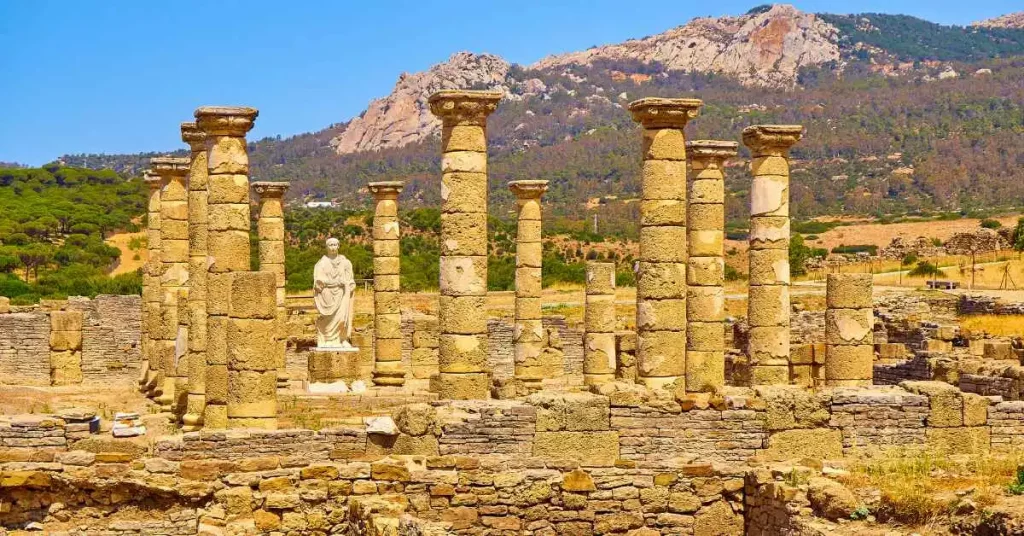
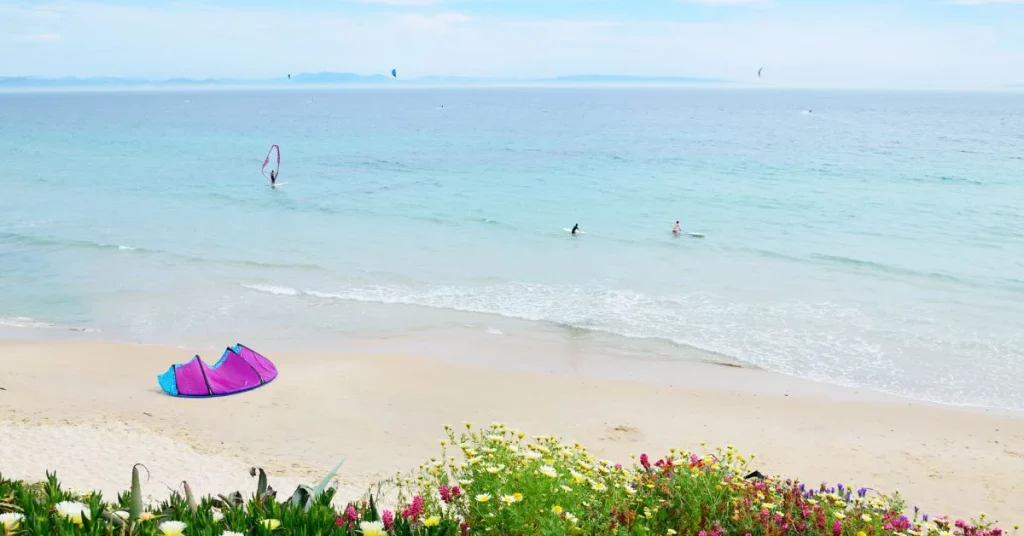
Swimming may be off the table, but the beaches of Tarifa are a destination in their own right during the cold months. Los Lances, Valdevaqueros, Bolonia and nearby La Caleta transform into raw, pristine natural settings.
You can walk for miles without meeting a soul, photograph sunsets that paint the sky orange against the African silhouette, try your hand at shore fishing or simply sit and listen to the wind.
Outside peak season, many beaches also allow dogs, making them a perfect playground for those travelling with pets. Valdevaqueros, with its enormous dune, is a favourite for this.
Winter events and traditions in Tarifa
The winter calendar in Tarifa has its own highlights, low-key but charming and a world away from mass tourism.
Christmas in the old town is celebrated with quiet Andalusian warmth: lights on the squares, carols in the church of San Mateo and occasional street markets. The Three Kings parade winds through the narrow streets with a family atmosphere reminiscent of a bygone Spain.
Más adelante, el Carnaval se nota especialmente si extiendes tu visita hacia Cádiz capital, donde la celebración alcanza dimensiones memorables. Tarifa, a menos de una hora en coche, funciona como base tranquila para acercarte y volver sin meterte en el caos urbano.
Practical tips for your winter getaway
A few key pointers will make all the difference compared to a summer trip.
Apartamentos La Residencia Tarifa, your perfect winter base
When the wind is howling and the evenings draw in early, the difference between an ordinary getaway and a memorable one comes down to where you stay. Apartamentos La Residencia Tarifa is designed for you to enjoy winter without compromise.
Set in a historic 1950s building within the old town walls, our apartments offer direct views of the Strait of Gibraltar and the African coast. Facilities include a heated infinity pool open all year round, a sauna with floor-to-ceiling sea views and a rooftop terrace where the sunsets take on a dimension of their own.
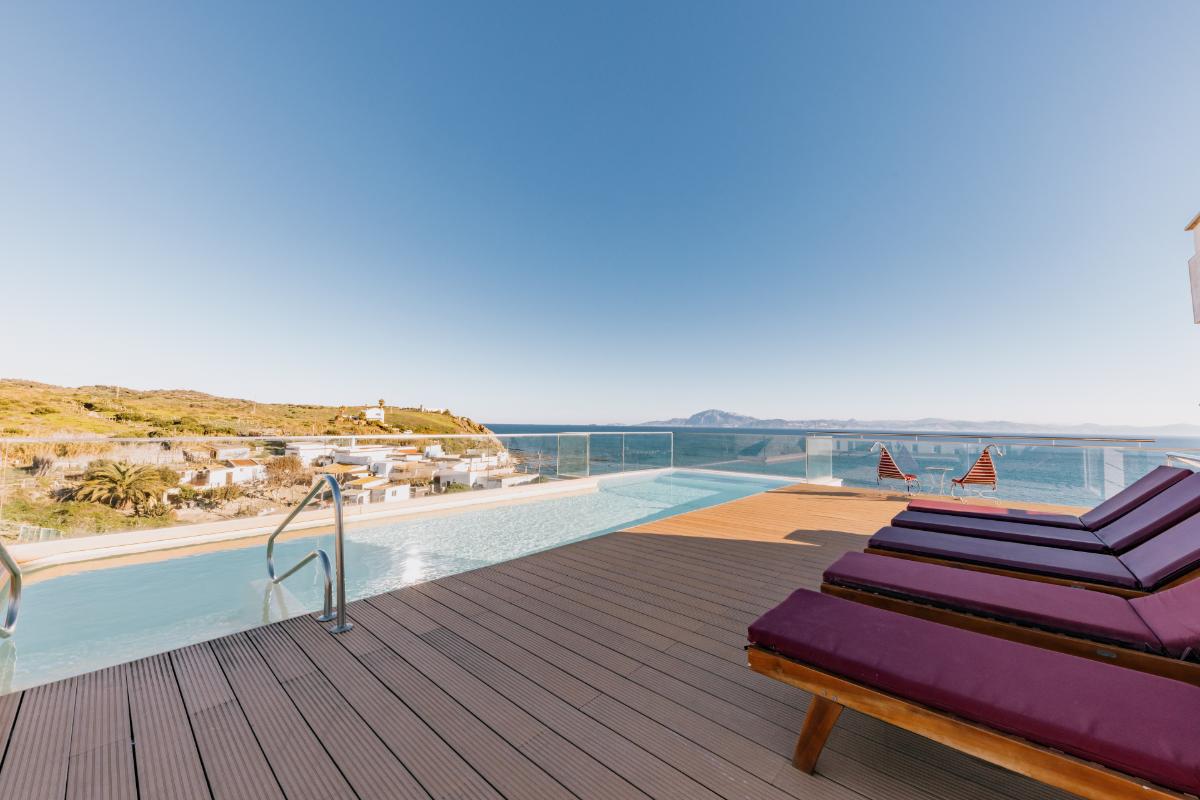
Every apartment comes fully equipped with a modern kitchen and air conditioning with heat pump (heating and cooling), so you choose the indoor temperature. Some apartments also feature a fireplace, and every bathroom has independent heating. In winter, that makes all the difference: you come back from a windy day and find a warm space where you can unwind at your own pace, cook dinner with produce from the local market or simply enjoy the views with a blanket and a good book. Browse all available options on the Apartamentos La Residencia Tarifa page.
If you are planning a longer stay, something increasingly common among remote workers and those looking to spend the cold months somewhere mild, check out our special conditions for long-term stays in Tarifa. We offer personalised rates for extended bookings.